It is believed that one of the reasons
behind the mighty growth of Inca Empire was the techniques they
developed to store and preserve foods. They had storehouse of foods
throughout the Empire. Inca had store three to seven years of foods at
their state warehouse. The Inca diet was mainly
vegetarian based and involved them eating vegetables such as potatoes as
their staple diet. Although potatoes were the main source of food for
the Incas other foad such as quinoa, beans, squash, sweet potatoes,
avocados, tomatoes and manioc were also heavily involved within the Inca
peoples diet. Even thought the majority of the Incas diet was vegetarian based,
meat was also eaten by the Inca people. Among the favorite types of
meat were llamas and alpacas. They were kept for their wool and used to
carry the Incas possessions. The Incas developed the earliest type of freeze-drying.
There was a great variety of vegetables in the Inca. Since in that period the vast land under Inca was stretched from north to south, they had several climate zones. Also the altitude differed in different zones. Foods that was grown in mountain zone was totally different than the food that was grown in the coastal zone. Potato was one of the main food of Inca. Actually, potato was originated from Inca people. They used potato in different dishes. Maize was another very popular food during Inca days. Maize was a common food in those days. Oca was also popular. Oca had two types. sweet and bitter. Sweet one was also preserved and used as sweetener, until the arrival of sugar. Ullucu and arracacha, which were similar like carrot was used in soups and stews. Another sweet, starchy root named Achira was used in those days. Usually they baked Achira in earth oven before they took it.
Llamas and Alpacas were the main domesticated animals of Inca. Main source of meat for common people was Guinea pigs. Guinea Pigs are known there as Cuy. Guinea pigs were easy to keep and they multiplied rapidly. So Guinea pigs were popular among general people. If you go to Peru, one of the popular menu is Cuy, which is a fried whole Guinea Pig. Llamas and Vicunas had to be less than three years of old, when taken by the Nobles. Emperor and their family consumed wild ducks. Fishes were brought fresh from the coast by runners for Inca Emperor.
Dried fish was one of the mainstays of the Inca army. Also to the people of coastal regions fish was a common diet. Skates, Limpets, rays, mullets, small sharks and bonito were some of the popular fished consumed by Inca. Penguins, seabirds, dolphins and sea lions were also in the list of Inca Cuisine.Chicha was the main drink for the people during Inca period. Chicha was made from jora maize. Chicha could be made from other fruits or grains also. Chicha contained less then 3% alcohol and taken in vast quantities through the whole Inca region. During religious festival Chicha was the only drink supplied.
After the Colonization of the Spanish, the Inca raised llamas and alpacas for their wool and meat and to use them as pack animals, and captured wild vicuñas for their fine hair. The Inca diet consisted primarily of fish and vegetables, supplemented less frequently with the meat of guinea pigs and camelids. In addition, they hunted various animals for meat, skins, and feathers. Maize was used to make chicha, a fermented beverage.
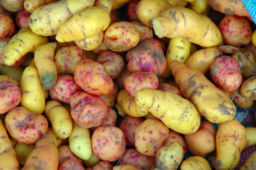
Inca Potato
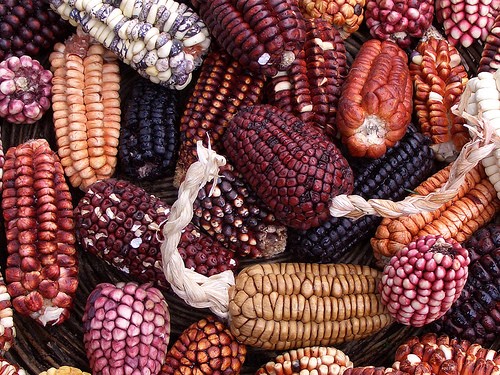
Inca corn
